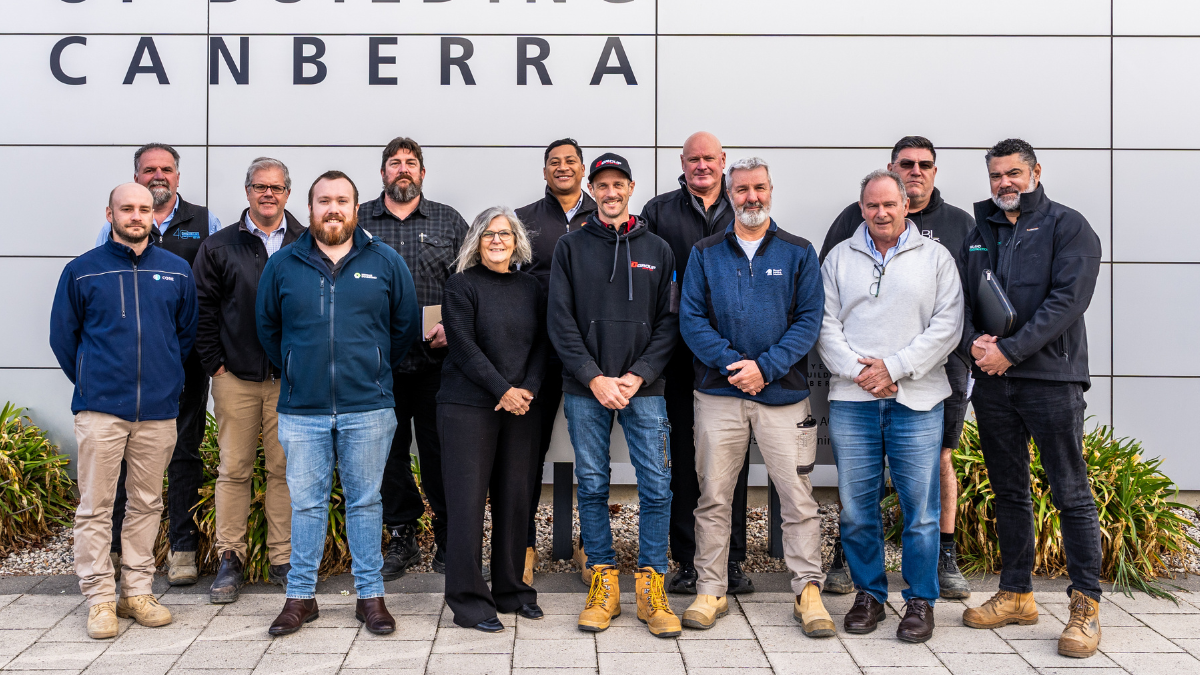
Hi, my name is Shelby Martin, and I’ve been working in safety for the past four years. I started out as a Safety Cadet and have since progressed through site safety roles to my current position as HSEQ Manager at Nikias Diamond. In my role, I oversee onsite HSEQ compliance, manage training programs, and maintain and develop our HSEQ systems.
Over the years, I’ve seen how safety can sometimes become bogged down in paperwork, with the practical side of keeping people safe taking a back seat. My aim is to bring that balance back—making safety practical and accessible for our workers and subbies on site, while still maintaining the integrity of systems. At the end of the day, it’s about making sure everyone goes to work and gets home safely.
On any job site the standard of hard hat, hi-vis and safety boots have become second nature and the unofficial ‘uniform’ of the industry, and we have a deep understanding of how to protect ourselves and others from a majority of physical hazards on the worksite. We have a regulation, code of practice or a standard for everything to assist in managing these hazards and assist with compliance.
But our definition of a safe site has had a major update, focusing on mental wellbeing.
We’re talking about psychosocial hazards – things at work that can negatively affect mental health, like unrealistic deadlines, having too much or too little effort required for your job, workplace bullying, or a lack of support plus many more. The ACT’s Managing Psychosocial Hazards at Work Code of Practice officially puts managing these risks on the same level as any physical hazard.
Why is it important?
The stark reality is many workers are experiencing psychosocial hardship in construction more than other industries and it’s not by a small margin either.
So, How Do You Comply? It’s Easier Than You Think.
Looking after your team’s wellbeing isn’t just about ticking a box, it’s a core part in protecting the whole person, not just their physical health.
Complying isn’t about mountains of paperwork; it’s about genuine care and good
communication. Here are a few simple steps to get started:
Looking after your team’s wellbeing isn’t just about ticking a box, it’s a core part in protecting the whole person, not just their physical health.