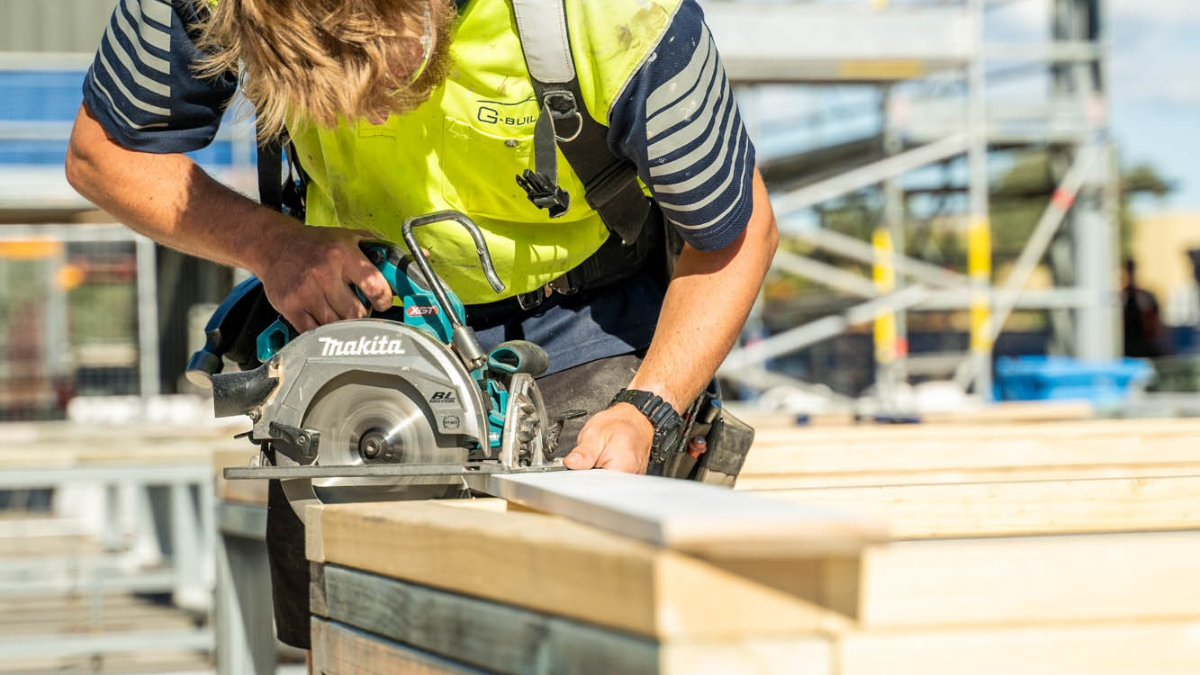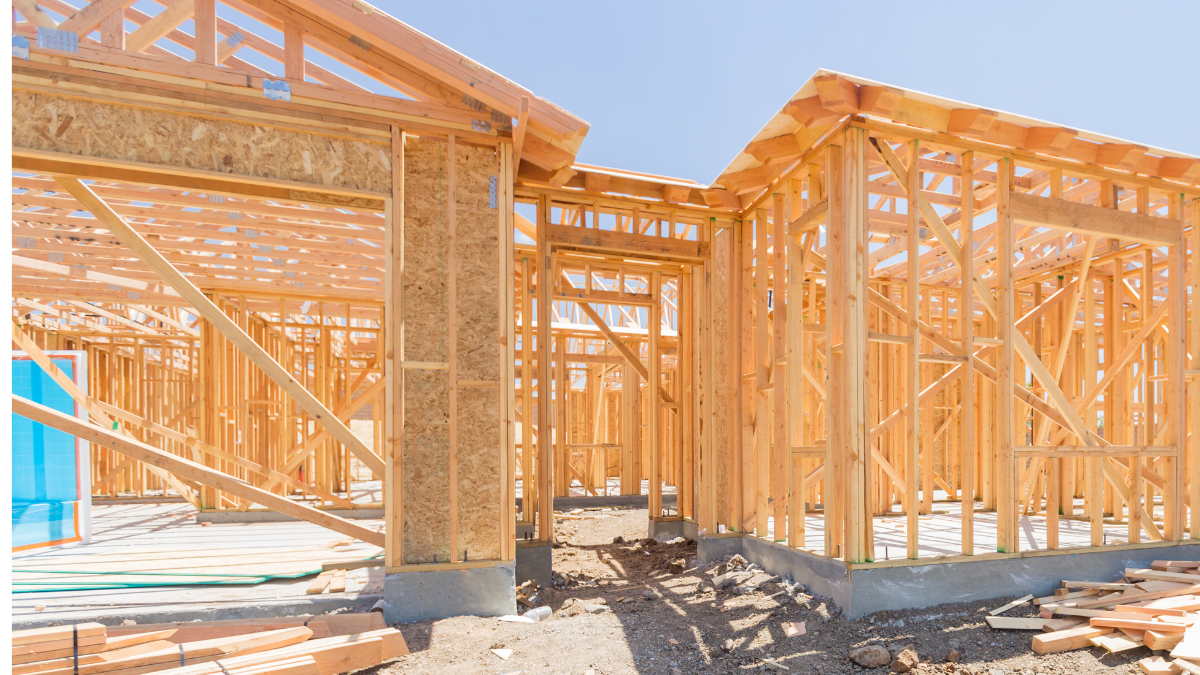
As temperatures rise and project deadlines accelerate towards the end of the year, construction businesses are encouraged to review their controls for heat exposure, worker fatigue and psychological wellbeing.
The construction industry often faces increased workloads during the lead-up to the Christmas period. Combined with warmer weather, longer daylight hours and personal pressures outside of work, these factors can contribute to reduced concentration, poor decision-making and an increased risk of workplace incidents.
Heat stress: more than just hot weather
Heat-related illness can develop quickly and may affect workers long before extreme temperatures are reached. Physical construction activities such as roofing, scaffolding, concreting, earthworks and manual handling can significantly increase body temperature, even on moderately warm days.
Warning signs may include:
Members should ensure that appropriate controls are in place, including:
Fatigue: an often overlooked workplace hazard
Fatigue is more than simply feeling tired. It can impair reaction times, concentration, judgement and coordination, creating risks similar to those associated with alcohol impairment.
Common contributors to fatigue in construction include:
Effective fatigue management includes reviewing work schedules, encouraging adequate rest, consulting with workers and ensuring realistic project planning.
Looking after mental health
Mental health is an essential part of workplace health and safety. Construction workers can experience psychological risks arising from high workloads, job insecurity, workplace conflict, harassment, exposure to traumatic events and extended periods away from family.
Employers have a responsibility to identify and manage psychosocial hazards in the same way as physical hazards. Creating a supportive workplace culture can help workers feel comfortable speaking up when they need assistance.
Practical steps include:
A shared responsibility
Safe and healthy workplaces rely on everyone working together. Employers, supervisors and workers each play a role in identifying hazards, speaking up about concerns and implementing practical controls.
As we move into the warmer months, now is an ideal time to review site-specific risk assessments, safe work procedures and workforce wellbeing initiatives to ensure workers return home safely each day.
Master Builders ACT member action checklist
Safe work is not just about preventing injuries today. It is about protecting the long-term health, wellbeing and future of every worker.